
Orin, FFS Clinician
See how Orin is helping Staten Island clients through consistency, honesty, and human connection.
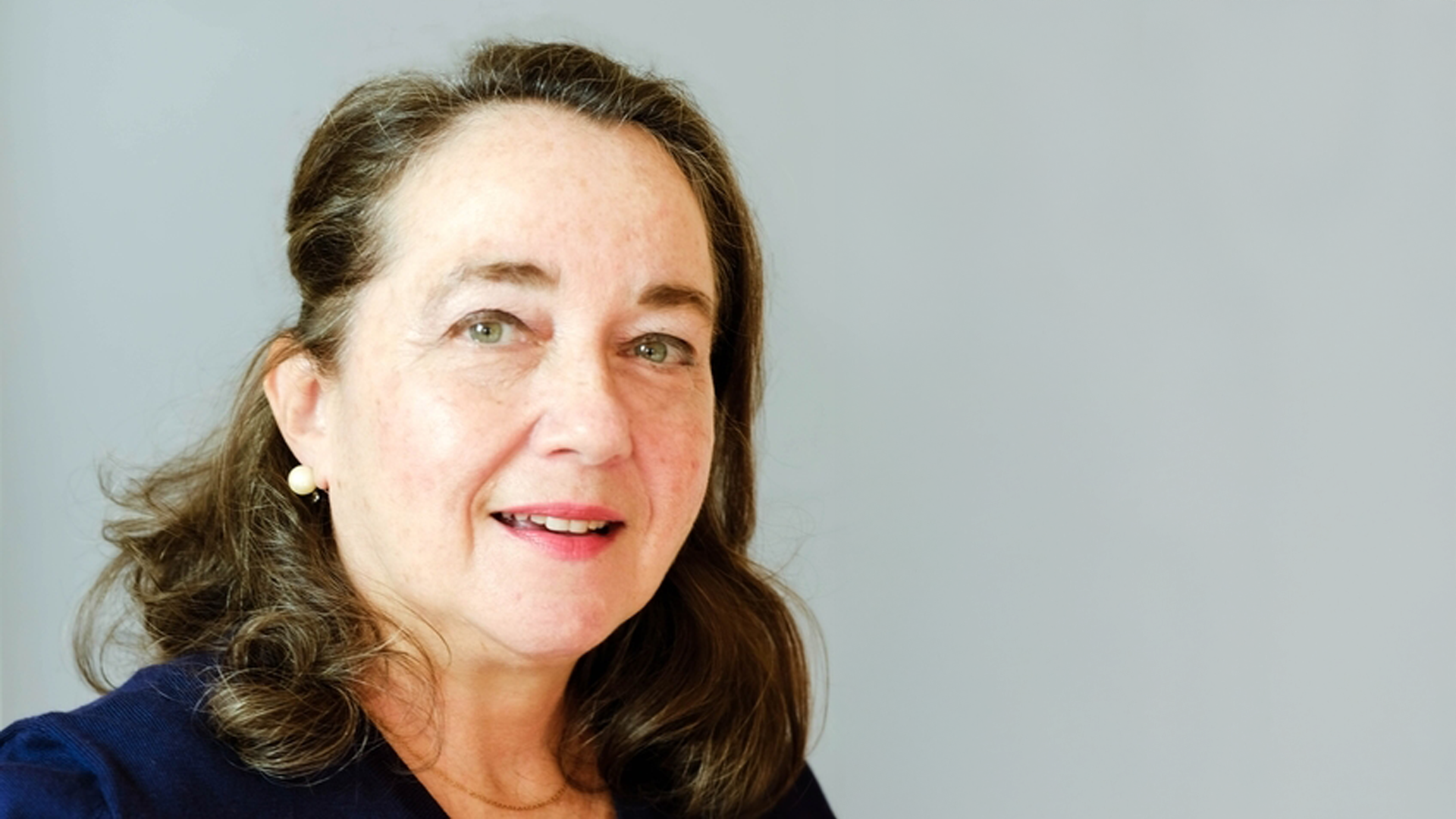
How would you describe what you’re like as a therapist?
A lot of my work comes down to relationships. People need to feel heard, understood, and not judged. Without that foundation, it is very hard for therapy to move forward. Like any relationship, therapy needs a foundation of trust. Clients have to know that you are not going to disappear, judge them, or treat them like a diagnosis instead of a person. Many clients have experienced abandonment in one form or another. So consistency matters. I want clients to know that I am in the muck with them and that I will likely still be there a year from now. That matters.
How has your approach changed over the course of your career?
Earlier in your career, it can be harder to speak in ways that feel relatable. You may be more focused on using the right clinical language or doing things exactly by the book. Over time, I think you learn how important it is to be human. Clients don’t always need a perfect response. Sometimes they need a real one. They need to feel that the person on the other end is present, steady, and able to meet them where they are.
What does being relatable look like in practice?
It means speaking to people in a way that makes sense in their actual lives. It means not hiding behind jargon. For example, a client once reached out to me upset because she had yelled at her young daughter and felt terrible about it. In that moment, what mattered most was helping her slow down, understand what she was feeling, and not spiral into shame. Sometimes being helpful is about helping someone see the situation with a little more perspective and compassion.
What do you want clients to feel when they work with you?
I want them to feel that I am listening and not judging them. Many of our clients have had systems, providers, or people in their lives make them feel dismissed or misunderstood. Therapy should not repeat that. I also want them to feel that I am steady. For vulnerable clients, the clinician may be one of the few stable and present people in their lives. I take that seriously.
What has kept you connected to The Jewish Board?
When I first came to The Jewish Board, I was a new parent and wanted the freedom to make my family come first. That mattered to me. I have also valued the clinical relationships I have built here — with clients, colleagues, and supervisors. Over the years, I have referred colleagues to the agency and have seen many strong aspects of the work. The clinical opportunities, especially when teams are really thinking deeply together about cases, can be meaningful and energizing.
When it’s done well, case consultation helps everyone learn. A strong case conference is not just about logistics. It is a place where clinicians can think deeply, ask better questions, and sharpen the way they understand clients. That kind of clinical thinking is important. It helps us avoid making assumptions and keeps the work alive.
What has working with clients taught you?
It has taught me that people remember whether you stayed present. They remember whether you made them feel ashamed or whether you helped them feel human. Clients may come in with complex symptoms, histories, and needs, but the relationship is still central. If they trust you, they may be more willing to look honestly at what is happening in their lives and try something different.
What do you think newer clinicians should know?
You do not have to be perfect to be helpful. You have to be present, thoughtful, and willing to keep learning. It is important to have clinical skill, of course. But it is also important to be able to talk to people like people. The work is serious, but the connection has to be real.
What keeps you committed to this work?
The clients. It can be hard work, but it matters. When someone who has been through a lot begins to trust, stabilize, repair relationships, or see themselves differently, that is meaningful. At its best, therapy gives people a relationship where they can feel understood, challenged, supported, and not alone. That is what keeps me connected to the work.
-

My favorite part of the work I do is being able to make a client feel safe, comfortable, and heard.”
Read MoreCarissa
LMSW
-
I enjoy providing a supportive space for my young clients to have their experiences, stressors, and beliefs taken seriously.”
Read MoreNicholas
LHMC
-
I am humbled to have had the opportunity to create programs that reach so many vulnerable populations.”
Read MoreRivka
LCSW
-

It is extremely rewarding when clients get the confidence to take ownership of their care.”
Read MoreSandra
LCSW
Latest Job Openings
-
Social Worker (Licensed)
1765 South Ave
Staten Island, NY 103143604, US -
Case Managers
4462 Park Ave
The Bronx, NY 10457, US -
Case Assoc
55 Westchester Square
The Bronx, NY 10461, US -
Director Department
463 7th Ave
New York, NY 10018, US -
Case Managers
Queens, NY , US -
Life Skills Specialist
2521 Westchester Ave
The Bronx, NY 10461, US