
RitaAnn, Case Manager
See how RitaAnn connects Staten Island clients to supports that make healing possible
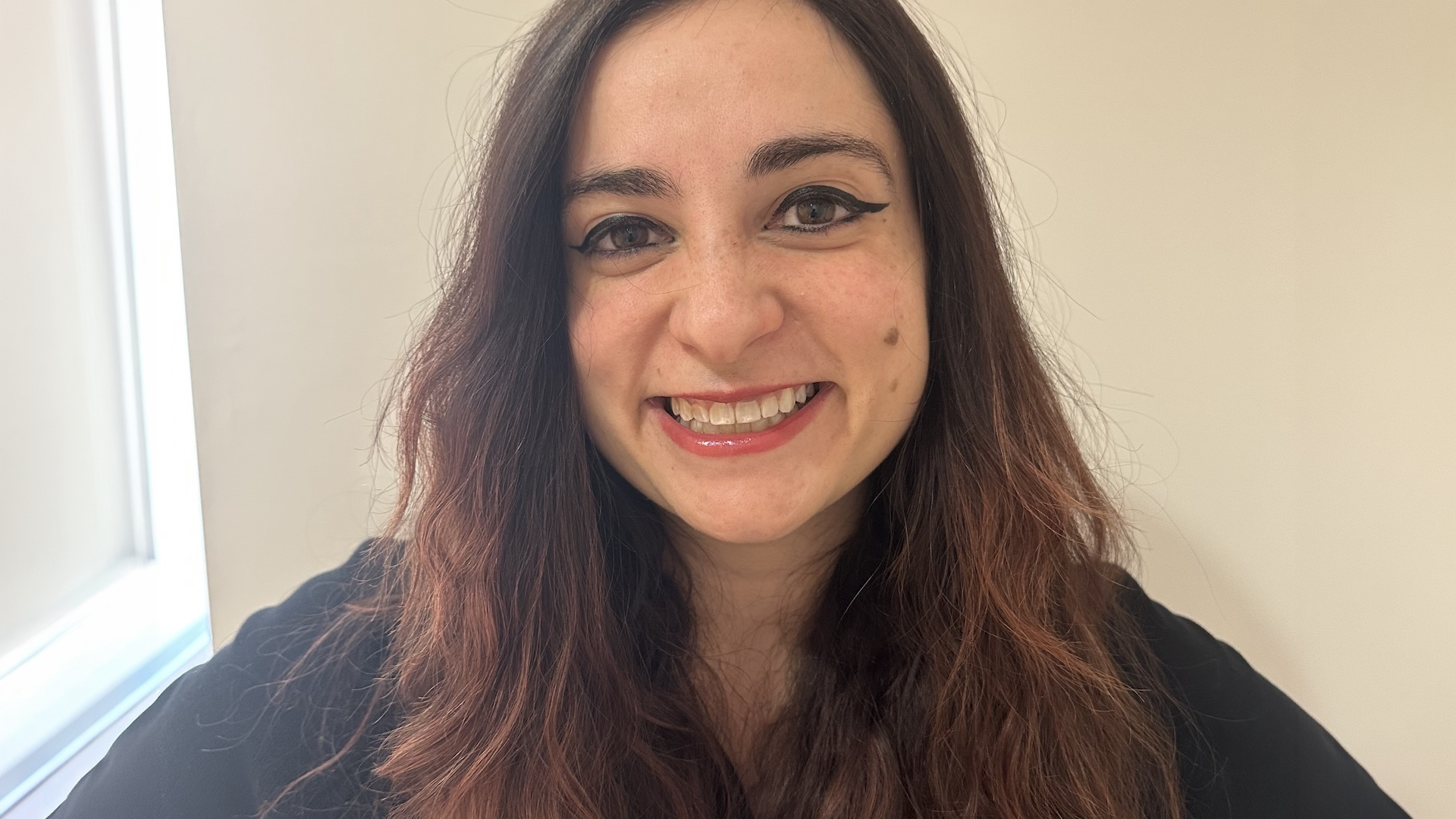
Can you describe your role?
As a Targeted Case Manager, everyone I work with is already connected to the clinic for mental health care, and my role is to help identify what else may be getting in the way of their stability or well-being. Sometimes that means housing. Sometimes it is food, medical care, benefits, employment, school, or peer support. A lot of our clients have more than one need, and I want them to know there is someone who can help with the rest of it, too.
After a client completes an intake for therapy, they answer questions about social drivers of health, including housing, food, safety, and other basic needs. If something comes up, our team may reach out. Clients can also be referred directly by their therapist. For example, if someone shares in session that they are struggling with unstable housing, job loss, food insecurity, or accessing medical care, the therapist can connect them to me.
When someone meets with you for the first time, what can they expect that first meeting to feel like?
I usually start by listening. A lot of people are not sure what targeted case management means, or why I’m calling, so I don’t want to lead with a long list of services. I want to hear what is going on in their life first. From there, we can figure out what they need most right now and what steps might help. Someone may come in thinking they “just need therapy,” but once we talk, it may become clear that housing, food, work, or medical care are also making life harder. My role is to help connect those dots.
What do you hope clients feel after working with you?
I hope they feel heard. I hope they feel like someone cared enough to listen, follow up, and help them take the next step. Even when I cannot solve everything at once, I want clients to know they are not alone in it. Sometimes that is what makes it possible to keep going.
Can you share a moment with a client that has stayed with you?
One client told me she had no food at home. I connected her to a resource, but I also called her back later that same day to make sure she had been able to get what she needed. She told me, “I don’t care about the resource as much as the fact that you called back. You cared enough to check on me.” That really stayed with me. Sometimes the follow-up means just as much as the resource itself.
What types of clients do you feel especially connected to supporting?
Before joining The Jewish Board, my first job out of college was intensive case management with people who had substance use concerns and were also involved in the criminal justice system. That work had a big impact on me. I still feel very connected to people who have been impacted by the criminal justice system and are trying to rebuild their lives. I also feel called to support young women who feel overwhelmed or alone, especially when they do not have the kind of family or community support that other people may take for granted.
What shaped the way you show up for clients?
I come from a close family, and I was raised by a single mother who is also a social worker. That made me very aware of how much it matters to have people in your corner. Not everyone has that. For clients who are trying to figure things out on their own, I want them to know they are not alone. Until they are connected to longer-term supports, I can be one of those people for them.
What are some ways you’re continuing to grow in this field?
I just finished my first year of a Master of Social Work program, and I’m completing my internship at the Staten Island clinic. It’s been meaningful to learn and practice in the same setting, because I get to understand the work from different angles.
How do you take care of yourself outside of work?
Yoga is a big part of how I take care of myself – I’m working toward becoming a certified yoga instructor. One day, I would love to integrate those practices into my work as a social worker. I also love music, everything from “basic girl pop” to Laufey and Hozier. I try to make time for fun, too, whether that is going out with friends or dressing up with coworkers for a day at Medieval Times. Those things help me stay grounded and connected to the same message I try to offer clients: you deserve support, and you dont have to do everything on your own.
-
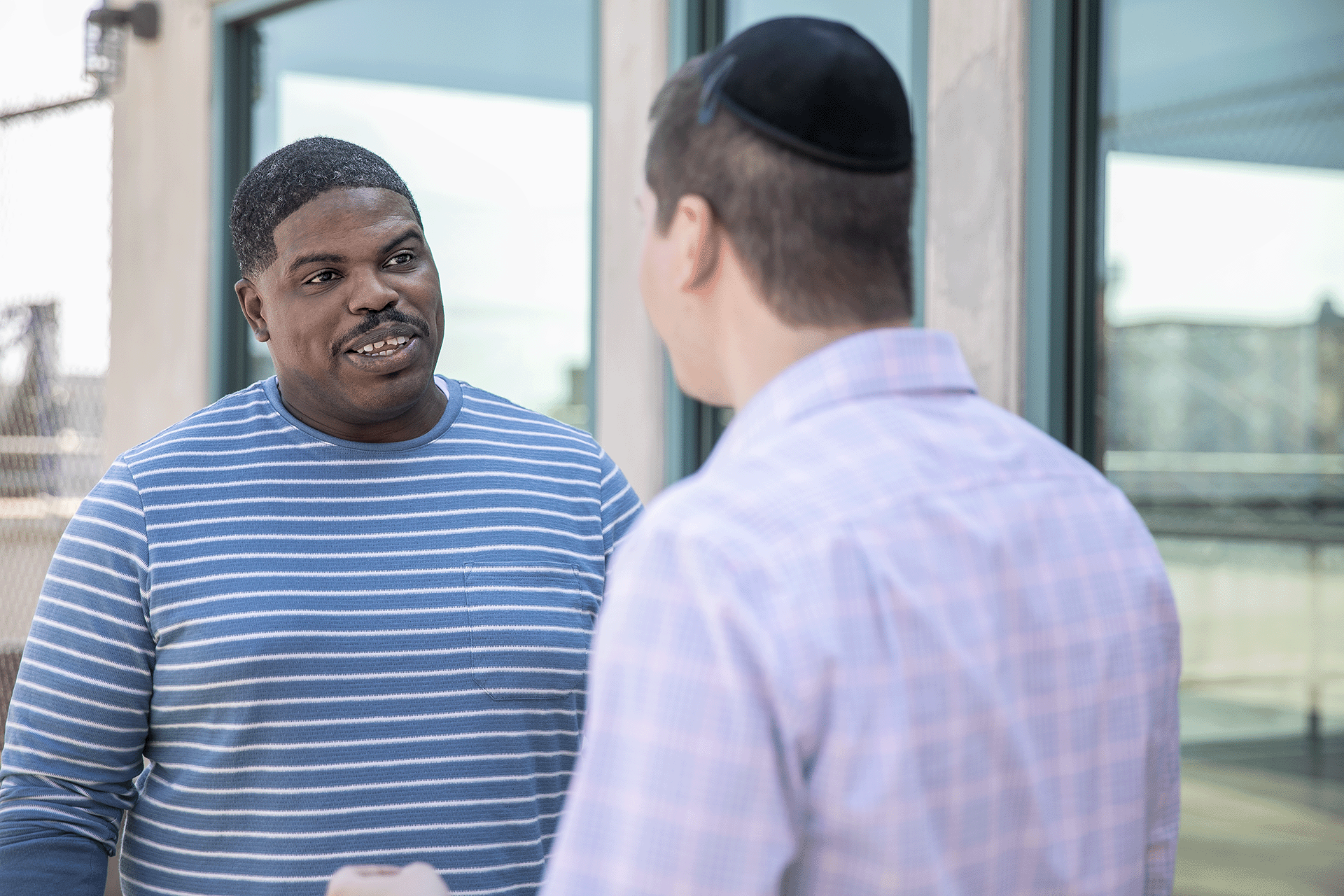
The best part of the work I do is the level of growth I witness first-hand.”
Read MoreAmmi
Direct Support Professional
-
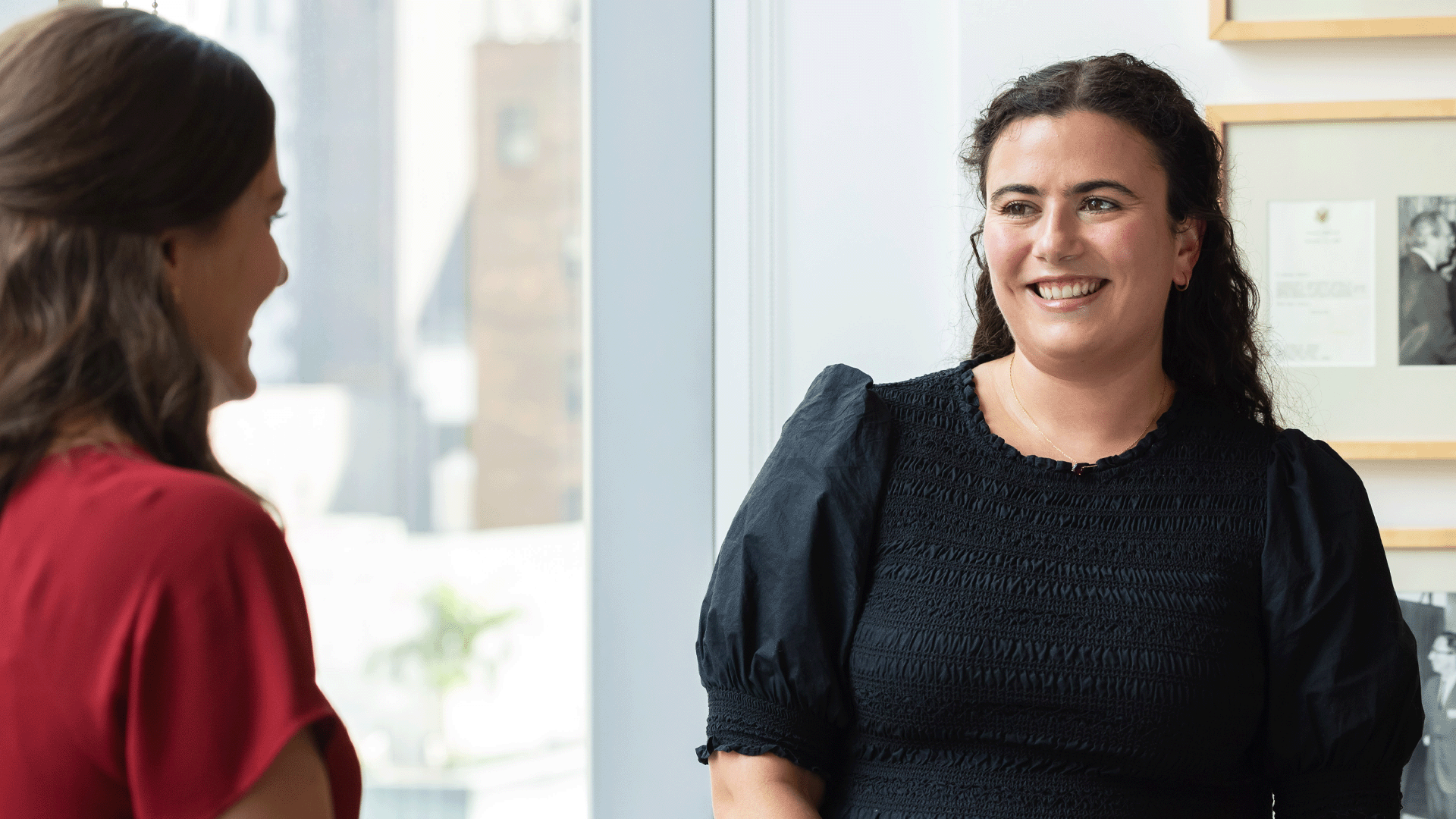
I’m excited to have the chance to work with adolescents and adults and learn how to better advocate for my clients.”
Read MoreGabriella, LMSW
Social Work Resident
-

I grew up in a family not all that different from the clients I work with today, so I have an intimate knowledge of the needs of the community I serve.”
Read MoreJavier
Case Manager
-

For me, just changing the life of one person is enough, and we get to do that every day.”
Read MoreRivka, LCSW
Social Worker
-
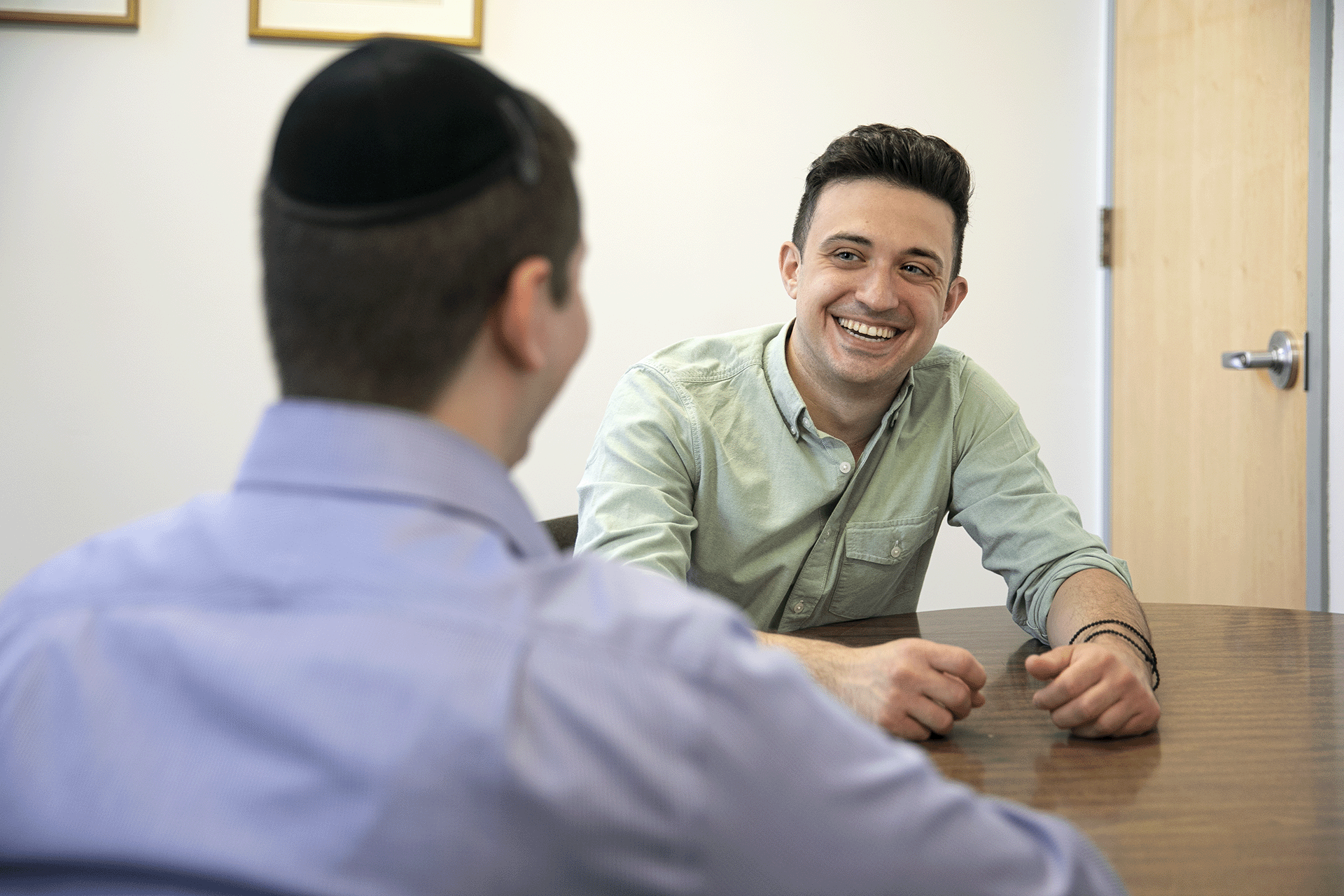
I enjoy providing a supportive space for my young clients to have their experiences, stressors, and beliefs taken seriously.”
Read MoreNicholas, LMHC
Social Worker
Latest Job Openings
-
Social Worker (Licensed)
1765 South Ave
Staten Island, NY 103143604, US -
Case Managers
4462 Park Ave
The Bronx, NY 10457, US -
Case Assoc
55 Westchester Square
The Bronx, NY 10461, US -
Director Department
463 7th Ave
New York, NY 10018, US -
Case Managers
Queens, NY , US -
Life Skills Specialist
2521 Westchester Ave
The Bronx, NY 10461, US