The Empty Chair at the Seder Table
A Passover Guide for Those Who Are Grieving
Download the Guide (PDF)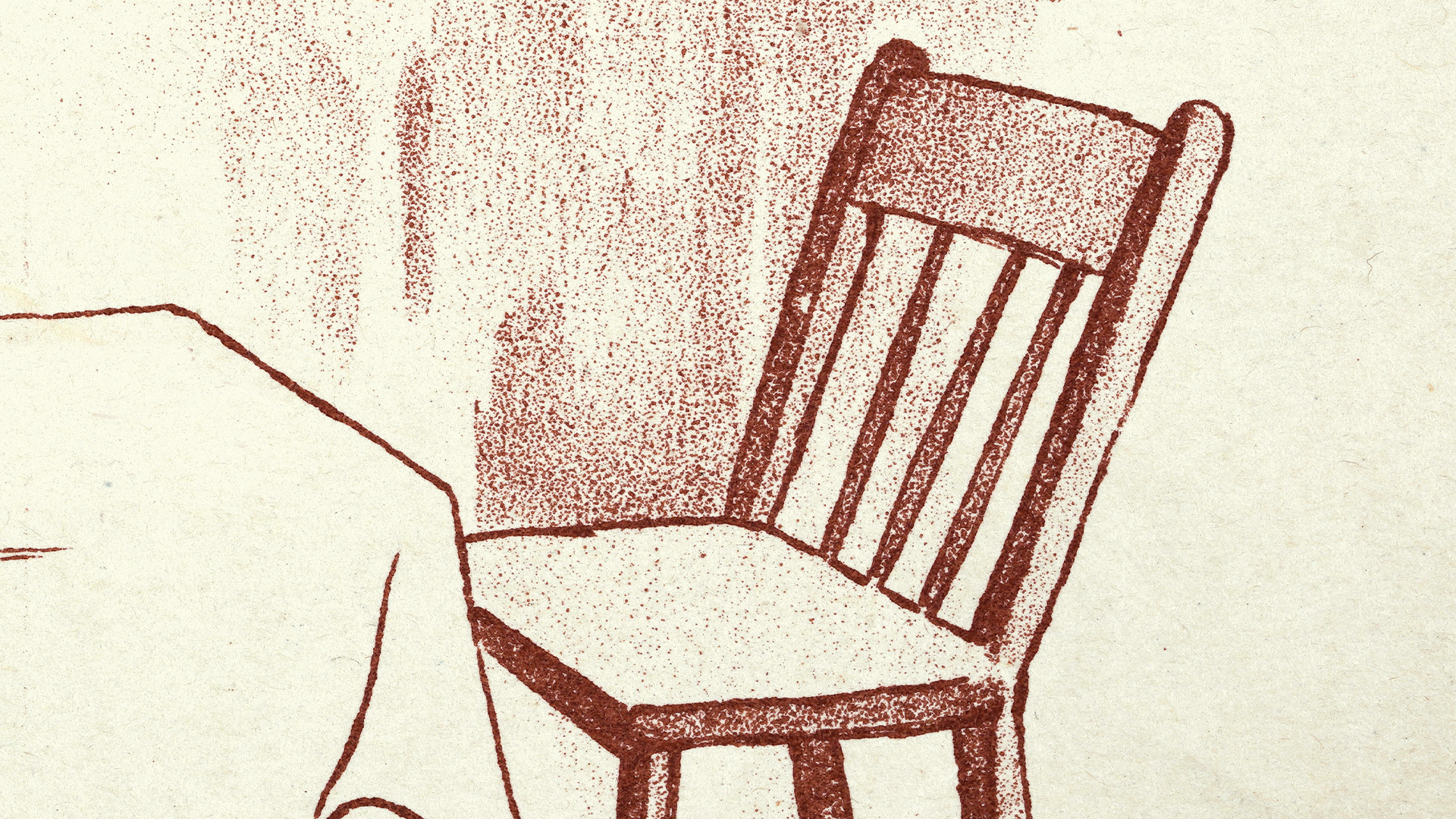
When Passover Feels Different
Passover is a holiday of memory, storytelling, and family. We gather around the table and retell the story of our people’s journey from narrowness to freedom. When someone we love is missing, the absence can feel especially sharp.
- There may be an empty chair at the table.
- There may be traditions that feel different this year.
- There may be moments of joy that arrive alongside waves of sadness.
All of it belongs. Judaism understands that memory is sacred. To remember someone is to keep their presence alive among us. This guide offers gentle reflections and simple rituals to help you prepare for Passover and navigate the Seder while honoring the person you miss.
Share Our Guide
Download the PDF version of this guide to print or share with others.
Download the Guide (PDF)Part I: Preparing for Passover
Before You Sit at the Table
Grief often intensifies around holidays. Preparing emotionally — even gently — can make the experience feel more manageable. There is no “right way” to do this holiday while grieving. There is only your way.
Naming What This Passover Means
As the holiday approaches, you might quietly reflect:
- Who is not at my table this year?
- What traditions did we share?
- What feels hardest about this Passover?
- What am I worried about?
- What might bring even a small measure of comfort?
Simply naming what feels tender can soften the impact when it arises.
Setting an Intention
You may want to enter the holiday with a small intention, such as:
- “I will allow myself to feel whatever comes.”
- “I will share one memory.”
- “I will step outside if I need a moment.”
- “I will focus on connection rather than perfection.”
Grief and celebration can coexist. You do not have to choose one.
Planning How to Honor Your Loved One
You might consider:
- Placing a photo at the table.
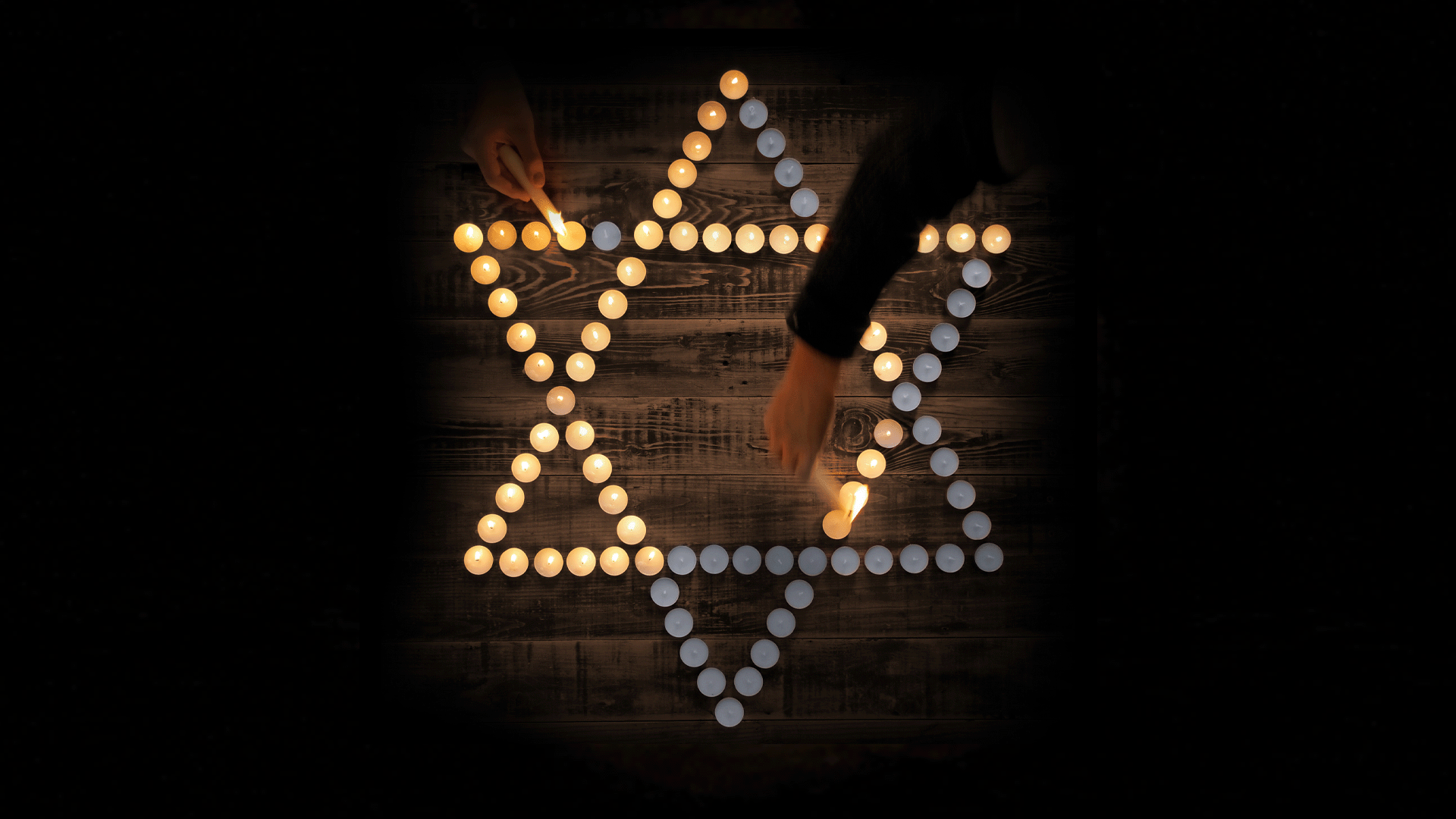
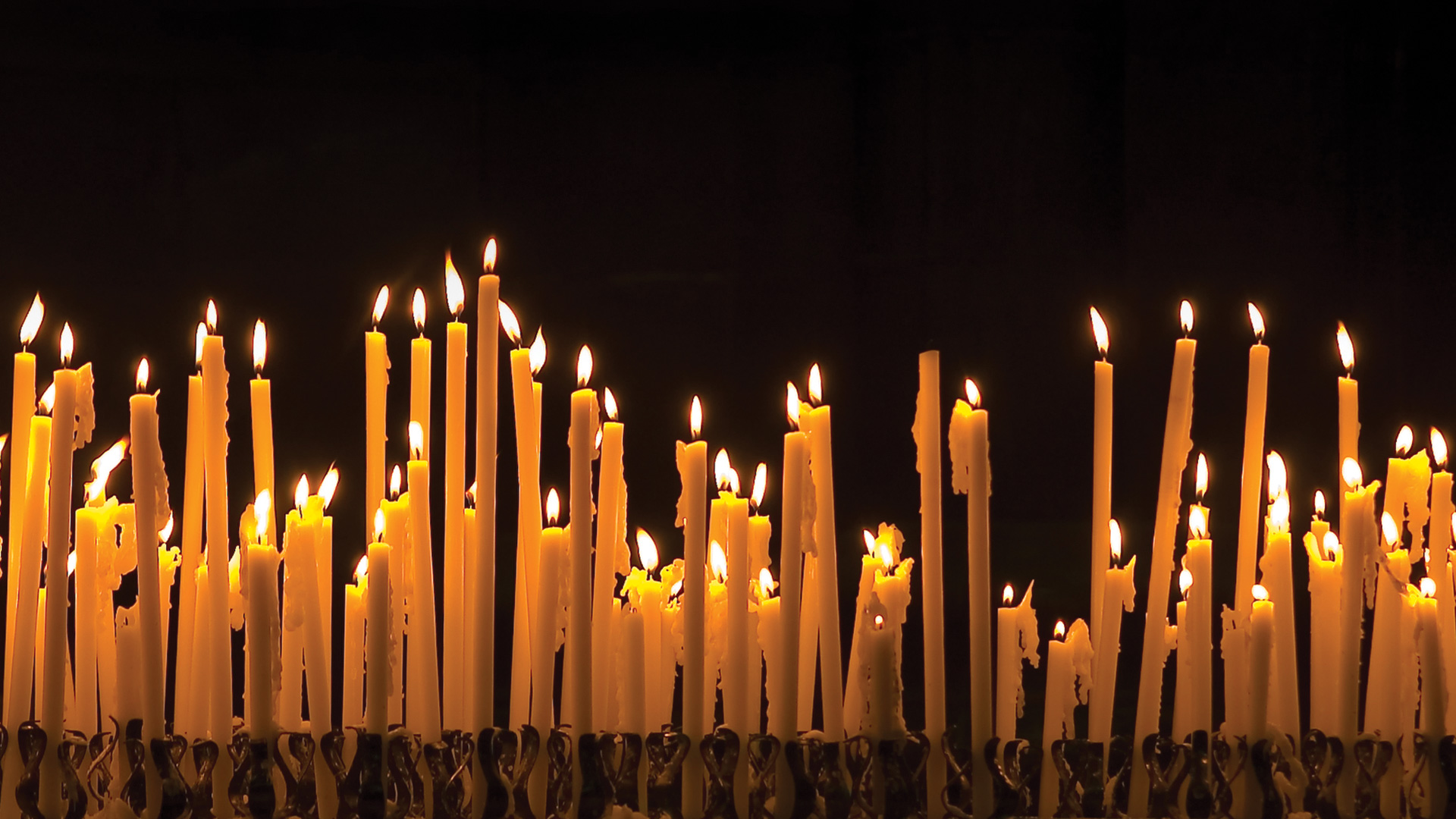
- Lighting a candle before the Seder begins.
- Leaving their chair present rather than removing it.
- Preparing a dish they loved.
- Making a donation in their memory.
- Letting someone at the table know this may be a tender evening for you.
In Jewish tradition, memory transcends time. Love does not disappear – it changes form.
Giving Yourself Permission
You have permission to:
- Take a break.
- Leave early.
- Not answer questions.
- Feel moments of joy and sadness.
You are not required to perform the holiday for anyone else.
Part II: At the Seder Table
Moving Through the Seder with Grief
Passover is called Z’man Cheiruteinu — the season of our freedom. When we are grieving, “freedom” may not mean joy or lightness. It may mean allowing ourselves to feel what is present. It may mean releasing the expectation that this night must look like it once did. As you move through the Seder, you may find meaning in connecting each ritual moment to your own experience.
The Symbols of the Seder Plate
The Seder plate holds many layers of meaning. Each symbol can speak to grief in its own way.
Karpas & Salt Water
The karpas, dipped in salt water, represents tears. Salt water reminds us that suffering is part of the Jewish story — and part of our own stories. You might reflect:
- What are the sources of my tears this year?
- What grief feels closest to the surface?
And yet, the karpas is a green vegetable — a symbol of spring and renewal.
- Even now, what small signs of life continue?
- What is quietly growing within me?
Grief and renewal can coexist.
Maror (Bitter Herbs)
Maror represents bitterness. Grief can bring bitterness — anger, regret, unfinished conversations, longing. The Seder does not avoid bitterness; it asks us to taste it.
In the same way, grief asks us not to turn away from the pain of loss, but to gently make space for it. Experiencing our grief, rather than pushing it aside, is often what allows it to move, soften, and eventually integrate into our lives. Grief educator Alan Wolfelt teaches in Understanding Your Grief that we do not move on from grief, but learn to move forward with it, and that the only way to the other side of grief is through it. By allowing ourselves to acknowledge bitterness, sadness, and longing, we honor both our loss and our love, trusting that making room for these feelings is part of the healing journey. You might allow yourself to acknowledge:
- What feels bitter in my loss?
- What feels unfair?
Naming bitterness does not mean being consumed by it. It means honoring it.
Charoset
Charoset symbolizes the mortar our ancestors used in forced labor. Yet it tastes sweet. Over time, memories can shift. One day, alongside the pain, there may be sweetness:
- The sound of their laughter.
- A story retold.
- A recipe passed down.
The sweetness does not erase the loss. It lives beside it.
The Egg (Beitzah)
The egg represents both new life and mourning. Eggs are traditionally served after a funeral meal, symbolizing the cycle of life. Its round shape reminds us that life moves in cycles — presence and absence, closeness and longing.
When placed in boiling water, an egg becomes firmer. Moments of intense heat and pressure can change us. In grief, we often feel as though we have been dropped into waters we never chose, yet over time many people notice a quiet strengthening that begins to take shape within them. This is not about becoming hardened or “getting over” a loss, but about deepening our capacity to carry both the sadness and the love. In time, we may find ourselves able to hold what we never would have chosen with greater tenderness, compassion, and resilience.
May we discover resilience within ourselves, even when life feels like “hot water.”
Shank Bone (Zeroa)
The shank bone represents the Passover offering — a reminder of sacrifice and survival. Grief often feels like something has been taken from us. You might reflect:
- What has this loss cost me?
- What strength has it revealed in me?
- Even in grief, we are still here. Survival itself is sacred.
Kaddesh – Sanctifying the Evening
We begin with Kiddush, sanctifying time. Grief can distort time — holidays mark another year without the person we love. As you lift your cup, you might reflect:
- I am here tonight.
- I carry love and memory, joy and sadness with me.
- This moment, too, is holy.
Yachatz – Breaking the Matzah
Early in the Seder, we break the middle matzah. We begin the evening broken. Grief can fracture our sense of wholeness. The life we knew no longer exists in the same way. Later in the Seder, we search for the hidden piece — the Afikomen — and bring it back to the table.
In Jewish tradition, both the broken and whole tablets were carried together in the Ark. There is nothing unholy about being broken. Wholeness can include the broken parts.
Maggid – Telling the Story
The heart of the Seder is storytelling. We tell the story of our people’s journey from narrowness (Mitzrayim) to freedom. Grief is also a story. You might consider:
- What is the story of the person I miss?
- What would I want others at this table to remember about them?
- What part of their story lives on in me?
- The Seder teaches that stories keep memory alive. Telling their story is an act of love.
The Ten Plagues
When we recite the plagues, we remove drops of wine from our cups — diminishing our joy to acknowledge suffering. Grief can feel like a personal plague. You might silently name the “plagues” of loss:
- Loneliness
- Anger
- Guilt
- Fear
Naming them does not give them more power. It can lessen their hold.
Dayenu – It Would Have Been Enough
Dayenu reminds us to notice what is present. Even in grief, you might quietly ask:
- What small thing tonight is enough?
- What moment of connection feels sustaining?
It might be:
- A shared memory.
- A child’s question.
- The taste of a familiar dish.
- Simply making it through the evening.
Sometimes survival is enough.
Opening the Door for Elijah
We open the door as a symbol of hope and redemption. You might ask yourself:
- How open is the door to my heart this year?
- Am I ready for hope?
- What would healing look like — even in a small way?
Hope does not require forgetting. It simply asks us to leave space for possibility.
Part III: After the Seder
When the evening ends and the table is cleared, you may notice feelings lingering — exhaustion, relief, tenderness, even pride for having made it through. You might gently ask yourself:
- What felt meaningful tonight?
- What felt difficult?
- What do I need now?
Grief does not end when the Seder ends. Be gentle with yourself in the days that follow. The days of Passover may bring their own waves — move through them at your own pace.
A Closing Blessing
May you feel supported at your Seder table and beyond.
May memory be a source of connection and comfort.
May you be gentle with yourself in moments of tenderness.
May this Passover bring glimmers of peace, even in the midst of longing.
And next year, may we gather with healing.
We Are Here for You
If you would like additional support during or beyond the holiday season, Jewish Community Services at The Jewish Board offers bereavement groups and individual counseling rooted in Jewish tradition and values.
For more information or to speak with someone, please contact us at 212-632-4790, option 1 or BereavementSupport@jbfcs.org. You can also visit jewishboard.org/bereavement. You do not have to navigate this alone. We are here.
Resources for All New Yorkers




Still Have Questions?
Our experts are available for conversations. It’s all part of The Jewish Board’s continuum of care to help ensure that New Yorkers don’t have to navigate life’s difficulties alone.
Contact Us Today