The Challenges and Resources of Spirituality After a Suicide
Losing a loved one to suicide can be a spiritual cataclysm of a profound nature.
And there are other daunting problems. In addition to often being unexpected, suicide can also be, in certain ways, accidental – an individual may feel surrounded by a relentless circle of “demons” and end life in a frantic and far from planful reach for relief. For many survivors, their sense of having truly known and understood someone is shattered, and if that is the case, what trust can there be in anyone or anything? We can accept, perhaps, that the Cosmos, or God, is in many ways mysterious and inscrutable – but our spouse, our children? Who wants to live in that reality!
For those survivors who held to a worldview — religious or secular — that prioritized Compassion and Commitment, suddenly and insistently, Anger and Despair usurp the throne. Many of us find that we cannot love without reservations and even rage, and we cannot invest in others without distance and distrust. It is as if the Interpersonal Laws of Nature had been a successful fraud, and no alternative system of guidance or meaning can be located or secured. We are at sea not only without a Captain, a crew, or a compass, but without a cabin or even a craft.
The response and the beginnings of a resolution of this existential predicament require at least two things:
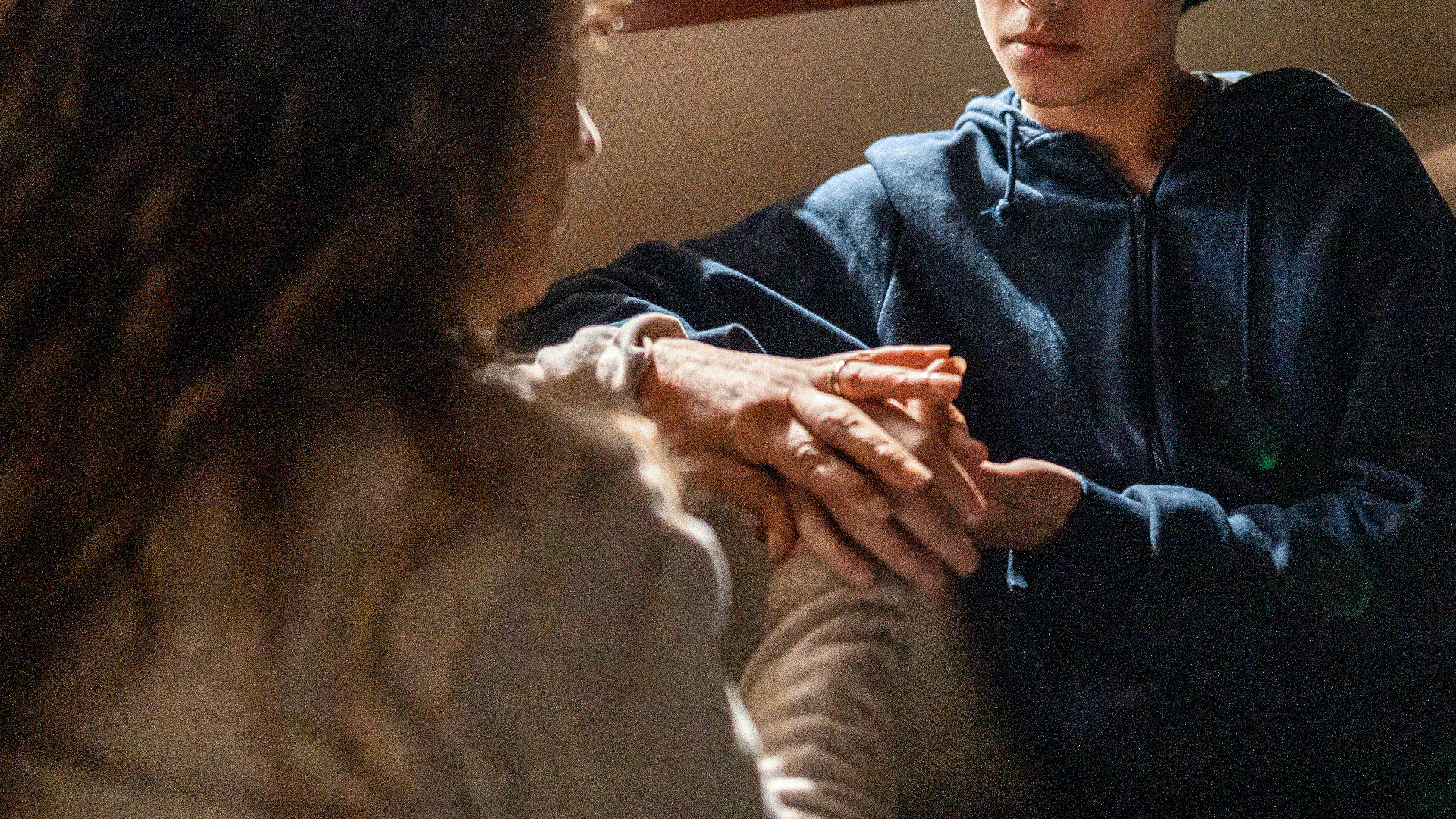
- A safe community of peers who “get it” – who know the secret handshake of those touched by suicide, living daily with echoes, flashbacks, and images, stultifying guilt, false sightings, and the like. One’s religious community or the broader general community can, of course, fight the tendency to isolate, blame, judge, and ignore those who have lost a loved one to suicide, but this, alas, may be a long-term project!
- Secondly, Traditions and Texts of searching for and articulating compassionate spiritual responses. Stories, poetry, helpful adages, supportive rituals, guided meditations, wordless chants, and other spiritual resources, approached not in a didactic manner but in a way that invites participation and welcomes personal perspectives, are the call of the day.
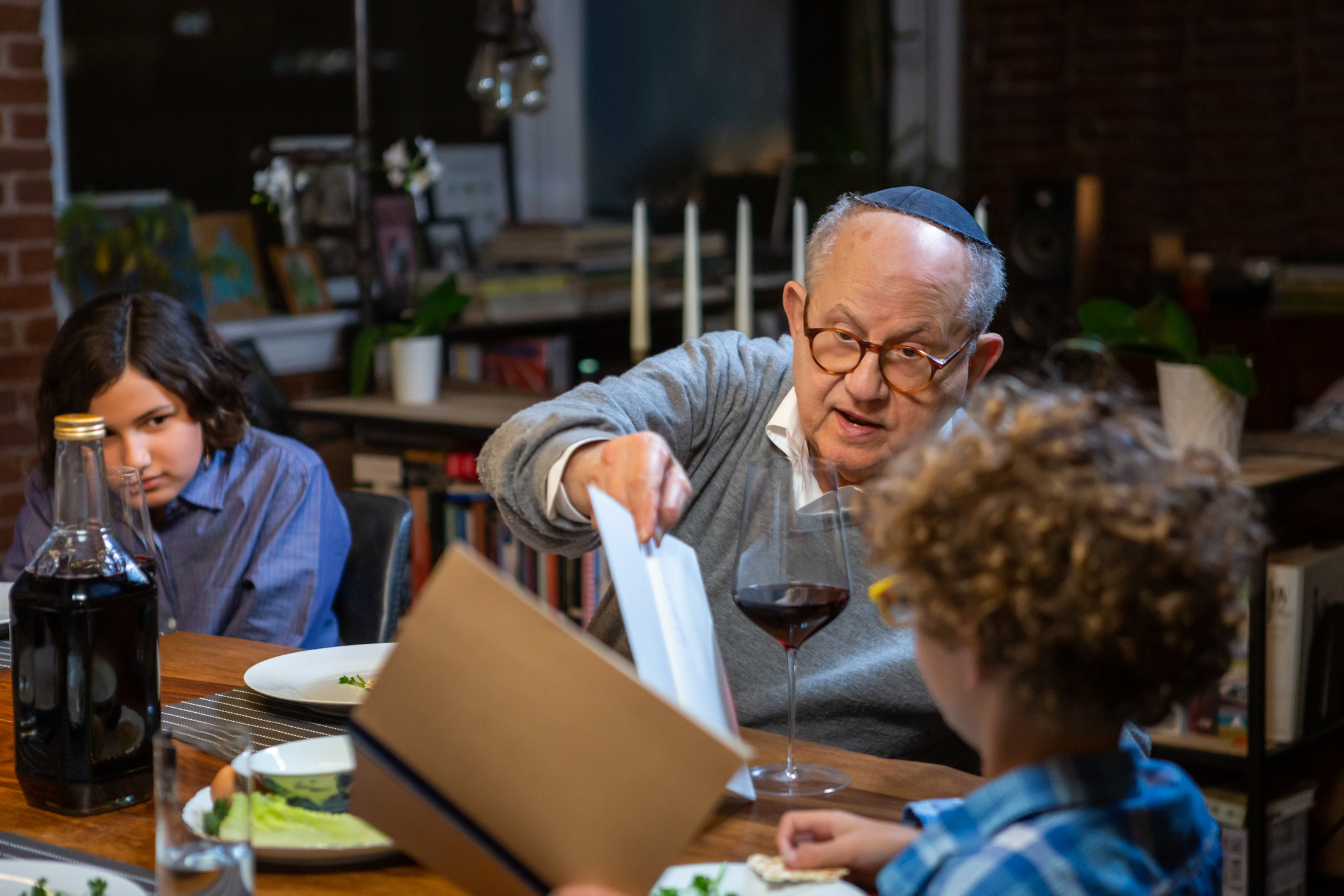
We are fortunate to have the process of clarifying Halakhah (Jewish law) in Judaism; whereas over time, many people who took their own lives were held responsible for murder and thus not buried within the Jewish cemetery, and traditional mourning practices were disallowed – it is now broadly understood and accepted that there was a Rodef, a “Pursuer,” usually mental illness, situational depression, substance abuse, and the like – so the individual cannot be held responsible for his/her tragic behavior. The death, in this sense, was due to an illness, not unlike cancer, and not a moral failure, and all traditional burial and mourning rites are observed. This has brought great solace to many and empowered the family and friends to properly and unambivalently comfort and support the grieving family.
In sum, the loss of a loved one to suicide is a broad, encompassing assault on the spirits of those in his/her circle, and a caring response requires a holistic, multi-pronged postvention. Because after such earthquakes and their rippling aftershocks, it is ultimately Spiritual Community and Tradition that can restabilize the world and help restore a very different but nonetheless meaningful connection to both the deceased and to life itself.
Resources for All New Yorkers




Still Have Questions?
Our experts are available for conversations. It’s all part of The Jewish Board’s continuum of care to help ensure that New Yorkers don’t have to navigate life’s difficulties alone.
Contact Us Today