Supporting Your Child After a School Shooting
Understanding what trauma does to the body and how to respond.
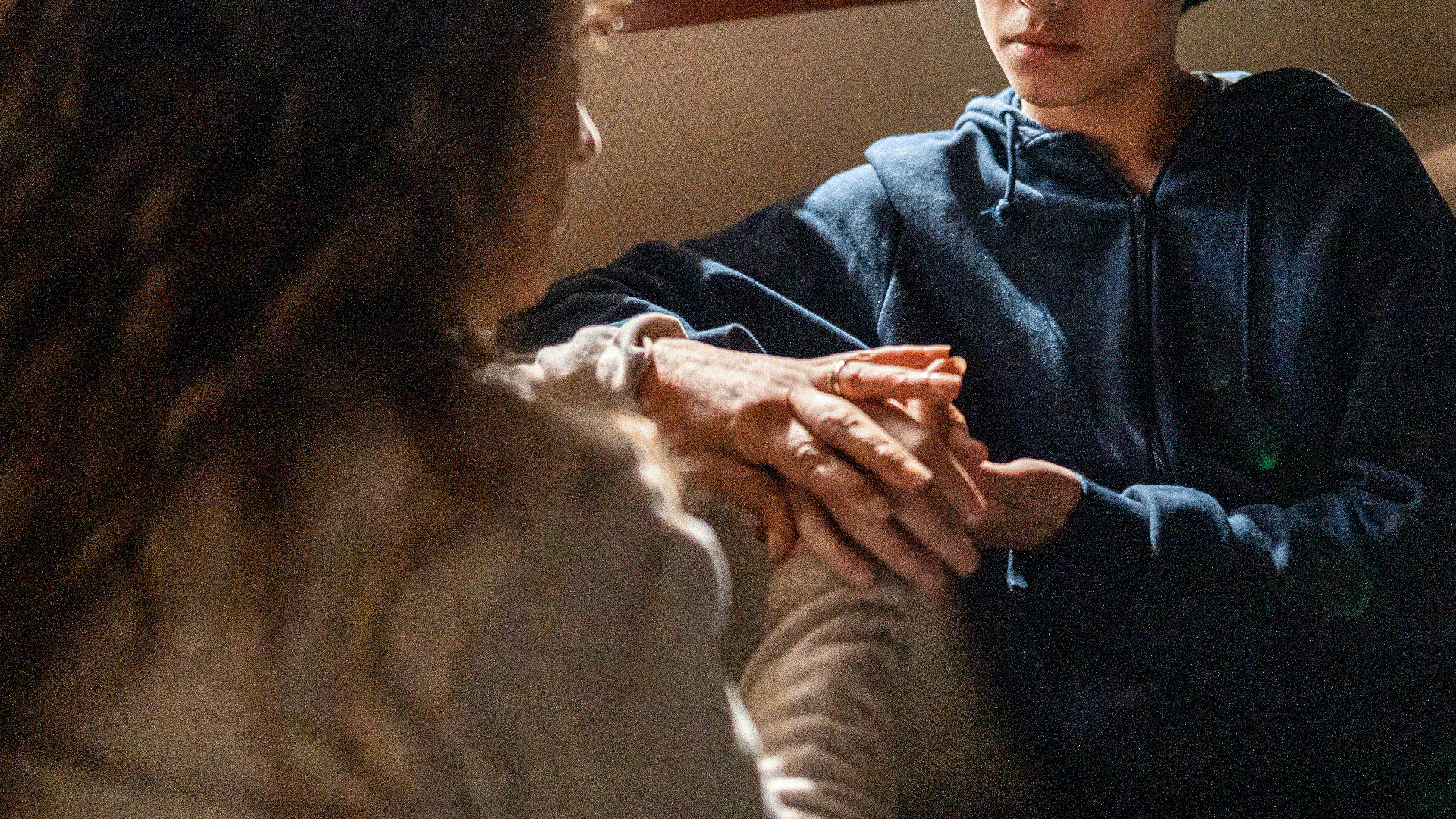
When a school shooting or other serious campus crisis occurs, it affects not only students but also the families who love them. Parents often feel frightened, vigilant, and unsure how to help — especially when children cope in very different ways, and the path forward feels uncertain.
What Happens in the Body After Trauma
After a life-threatening or frightening event, the body’s survival system activates automatically. This response is biological, not intentional.
Common acute stress reactions include:
- Feeling on edge, easily startled, or irritable
- Trouble sleeping, fatigue, or racing thoughts
- Emotional numbness or intense waves of fear, sadness, anger, or guilt
- Difficulty concentrating or feeling disconnected
- Wanting closeness one moment and distance the next
These reactions are normal responses to abnormal events. They reflect a nervous system trying to restore safety, not weakness or lack of resilience. For many people, symptoms soften over time with support, routine, and rest.
How Parents Can Be Most Helpful
What tends to help:
- Offer calm, predictable presence rather than frequent questioning
- Listen without rushing to reassure, fix, or interpret
- Normalize that reactions may change day to day
- Support basic needs: sleep, meals, movement, structure
- Let your child lead how much they want to talk
What can unintentionally increase distress:
- Pressing for details of the event
- Minimizing (“You’ll be back to normal soon”)
- Urging quick emotional recovery
- Over-monitoring driven by parental anxiety
Consistency and availability are often more regulating than conversation.
Reinforcing Strengths and Supports
Trauma can narrow perspective and make coping resources feel out of reach. Parents can help by gently reminding children of the strengths and supports they already have.
Helpful approaches include:
- Naming internal supports: coping skills, values, problem-solving abilities, faith or meaning, creative outlets
- Identifying external supports: trusted friends, family members, mentors, community, professional supports
- Reminding your child of past challenges they have navigated and what helped them then
- Reflecting back moments of courage, adaptability, and perseverance you have seen
This is not about pushing positivity, but about reconnecting your child to their innate resilience.
Supporting the Transition Back to Campus
Returning to the place where a traumatic event occurred can reactivate stress, even when a student wants to go back.
Helpful ways to support this transition:
- Expect mixed emotions; readiness and fear can coexist
- Encourage gradual re-entry when possible
- Help plan grounding strategies for the first days back
- Avoid pressure to “be fine” once school resumes
- Normalize that symptoms may briefly resurface and then settle
Anticipation is often harder than the return itself.
When More Support May Be Needed
Consider reaching out for guidance if you notice:
- Symptoms that worsen or do not ease over time
- Ongoing difficulty sleeping, attending class, or functioning
- Panic attacks, severe withdrawal, or loss of hope
- Statements about feeling unsafe or not wanting to be here
For immediate safety concerns, contact 988 or emergency services.
A Note for Parents
Your nervous system affects your child’s sense of safety. Caring for yourself — limiting distressing news, seeking adult support, and slowing down — is not separate from helping your child. It is part of it.
Share Our Guide
Download the PDF version of this guide to print or share with others.
Download the Guide (PDF)Resources for All New Yorkers





HELP is a phone call away.
1.844.ONE.CALL (844.663.2255) is a quick way to find services near you.
Our intake team is available Monday to Friday, 9am to 5pm, to help you schedule an appointment or share more information about our services.